Scribbly Doodle Illustration Style Prompt
High-Fidelity AI Prompt by sushil joshi
Gemini
Image Generation
photorealistic
Scribbly Doodle Illustration Style Prompt
Scribbly Doodle Illustration Style Prompt: Copy, customize, and execute this battle-tested Image Generation prompt on Midjourney. Built with modular variables and expert constraints for maximum clarity. (Focus: Use the uploaded image strictly as the identity reference. Preserve the same person, exact facial st...)
Image Generation Prompt
Direct Copy & Paste
8
0 copies
Use the uploaded image strictly as the identity reference. Preserve the same person, exact facial structure, hairstyle, age, gender, body proportions, and overall likeness. Do not add or remove any person. Do not change identity. Transform the subject into a messy, fun, scribbly doodle-style illustration. Doodle Illustration Style: a hand-drawn doodle with uneven, rough, and exaggerated line art. The lines should be loose, wobbly, and erratic, a child’s excited scribble. Outlines should be thick, broken, and inconsistent. The drawing style must look rushed, spontaneous, and energetic. Use visible pencil or crayon strokes that add to the untidy, chaotic feel. Color & Texture: Use bright, pastel, and vivid colors in a flat, playful way. The color should be filled in without careful detail, mimicking a rough, sketchbook feel. The colors must look uneven and imperfect, almost they’ve been scribbled on quickly. Add some watercolor textures, but keep them playful and imperfect, as if someone has used a wet brush for a quick, vibrant fill. Facial Features: Draw simple, exaggerated, childish features. Dot eyes, tiny squiggly smiles, and tiny noses. Keep the features rough and uneven, adding to the playful, messy doodle effect. Expressions should be lively and fun, filled with joy. Proportions & Form: Slightly exaggerated proportions with a large head, simplified limbs, and soft, rounded body shapes. The anatomy should look very stylized and unrealistic. Add extra randomness to proportions, with some body parts bigger or smaller than usual. Shading & Lighting: No realistic shading. Use rough pencil strokes for shading or simple color blobs. The lighting should be minimal, keeping the whole image bright and flat without depth. Mood & Atmosphere: Fun, quirky, and full of energy. The vibe should be carefree and spontaneous, a doodle drawn in the middle of a storybook or a school notebook. Keep the emotional tone playful and full of life. Background: The background should be a mix of simple, scribbly shapes, soft doodle marks, and abstract forms squiggles, hearts, stars, or random lines. Keep the background as loose and unrefined as the subject. Rendering Rules: No photorealism, no photo texture, no cinematic lighting, no digital painting. The illustration should look a true, chaotic, scribbly doodle. Avoid sharp or clean edges, avoid detailed realism. The lines and colors must be rough and spontaneous. Final Output: A lively, fun, and messy scribbly doodle-style illustration using crayon or colored pencil, with rough, energetic lines and flat pastel colors, preserving the exact identity from the uploaded image in a playful, carefree doodle style, Cinematic 35mm wide-angle environmental establishing shot, captured on Leica M11 with Summilux-M 50mm f/1.4 ASPH lens, Volumetric golden-hour rim lighting at 3800K with soft atmospheric haze, authentic skin micro-textures, true-to-life surface physics, 8K ultra-detailed editorial photography --ar 16:9 --v 6.1 --style raw
Ready to paste directly into Gemini, Flux, or DALL·E to create this image.
Prompt Variations
Tailored versions of this prompt fine-tuned for Midjourney, Flux, DALL·E 3, and alternative styles.
midjourney
Use the uploaded image strictly as the identity reference. Preserve the same person, exact facial structure, hairstyle, age, gender, body proportions, and overall likeness. Do not add or remove any person. Do not change identity. Transform the subject into a messy, fun, scribbly doodle-style illustration. Doodle Illustration Style: a hand-drawn doodle with uneven, rough, and exaggerated line art. The lines should be loose, wobbly, and erratic, a child’s excited scribble. Outlines should be thick, broken, and inconsistent. The drawing style must look rushed, spontaneous, and energetic. Use visible pencil or crayon strokes that add to the untidy, chaotic feel. Color & Texture: Use bright, pastel, and vivid colors in a flat, playful way. The color should be filled in without careful detail, mimicking a rough, sketchbook feel. The colors must look uneven and imperfect, almost they’ve been scribbled on quickly. Add some watercolor textures, but keep them playful and imperfect, as if someone has used a wet brush for a quick, vibrant fill. Facial Features: Draw simple, exaggerated, childish features. Dot eyes, tiny squiggly smiles, and tiny noses. Keep the features rough and uneven, adding to the playful, messy doodle effect. Expressions should be lively and fun, filled with joy. Proportions & Form: Slightly exaggerated proportions with a large head, simplified limbs, and soft, rounded body shapes. The anatomy should look very stylized and unrealistic. Add extra randomness to proportions, with some body parts bigger or smaller than usual. Shading & Lighting: No realistic shading. Use rough pencil strokes for shading or simple color blobs. The lighting should be minimal, keeping the whole image bright and flat without depth. Mood & Atmosphere: Fun, quirky, and full of energy. The vibe should be carefree and spontaneous, a doodle drawn in the middle of a storybook or a school notebook. Keep the emotional tone playful and full of life. Background: The background should be a mix of simple, scribbly shapes, soft doodle marks, and abstract forms squiggles, hearts, stars, or random lines. Keep the background as loose and unrefined as the subject. Rendering Rules: No photorealism, no photo texture, no cinematic lighting, no digital painting. The illustration should look a true, chaotic, scribbly doodle. Avoid sharp or clean edges, avoid detailed realism. The lines and colors must be rough and spontaneous. Final Output: A lively, fun, and messy scribbly doodle-style illustration using crayon or colored pencil, with rough, energetic lines and flat pastel colors, preserving the exact identity from the uploaded image in a playful, carefree doodle style, Cinematic 35mm wide-angle environmental establishing shot, captured on Leica M11 with Summilux-M 50mm f/1.4 ASPH lens, Volumetric golden-hour rim lighting at 3800K with soft atmospheric haze, authentic skin micro-textures, true-to-life surface physics, 8K ultra-detailed editorial photography
gemini
Use the uploaded image strictly as the identity reference. Preserve the same person, exact facial structure, hairstyle, age, gender, body proportions, and overall likeness. Do not add or remove any person. Do not change identity. Transform the subject into a messy, fun, scribbly doodle-style illustration. Doodle Illustration Style: a hand-drawn doodle with uneven, rough, and exaggerated line art. The lines should be loose, wobbly, and erratic, a child’s excited scribble. Outlines should be thick, broken, and inconsistent. The drawing style must look rushed, spontaneous, and energetic. Use visible pencil or crayon strokes that add to the untidy, chaotic feel. Color & Texture: Use bright, pastel, and vivid colors in a flat, playful way. The color should be filled in without careful detail, mimicking a rough, sketchbook feel. The colors must look uneven and imperfect, almost they’ve been scribbled on quickly. Add some watercolor textures, but keep them playful and imperfect, as if someone has used a wet brush for a quick, vibrant fill. Facial Features: Draw simple, exaggerated, childish features. Dot eyes, tiny squiggly smiles, and tiny noses. Keep the features rough and uneven, adding to the playful, messy doodle effect. Expressions should be lively and fun, filled with joy. Proportions & Form: Slightly exaggerated proportions with a large head, simplified limbs, and soft, rounded body shapes. The anatomy should look very stylized and unrealistic. Add extra randomness to proportions, with some body parts bigger or smaller than usual. Shading & Lighting: No realistic shading. Use rough pencil strokes for shading or simple color blobs. The lighting should be minimal, keeping the whole image bright and flat without depth. Mood & Atmosphere: Fun, quirky, and full of energy. The vibe should be carefree and spontaneous, a doodle drawn in the middle of a storybook or a school notebook. Keep the emotional tone playful and full of life. Background: The background should be a mix of simple, scribbly shapes, soft doodle marks, and abstract forms squiggles, hearts, stars, or random lines. Keep the background as loose and unrefined as the subject. Rendering Rules: No photorealism, no photo texture, no cinematic lighting, no digital painting. The illustration should look a true, chaotic, scribbly doodle. Avoid sharp or clean edges, avoid detailed realism. The lines and colors must be rough and spontaneous. Final Output: A lively, fun, and messy scribbly doodle-style illustration using crayon or colored pencil, with rough, energetic lines and flat pastel colors, preserving the exact identity from the uploaded image in a playful, carefree doodle style, Cinematic 35mm wide-angle environmental establishing shot, captured on Leica M11 with Summilux-M 50mm f/1.4 ASPH lens, Volumetric golden-hour rim lighting at 3800K with soft atmospheric haze, authentic skin micro-textures, true-to-life surface physics, 8K ultra-detailed editorial photography
flux
Use the uploaded image strictly as the identity reference. Preserve the same person, exact facial structure, hairstyle, age, gender, body proportions, and overall likeness. Do not add or remove any person. Do not change identity. Transform the subject into a messy, fun, scribbly doodle-style illustration. Doodle Illustration Style: a hand-drawn doodle with uneven, rough, and exaggerated line art. The lines should be loose, wobbly, and erratic, a child’s excited scribble. Outlines should be thick, broken, and inconsistent. The drawing style must look rushed, spontaneous, and energetic. Use visible pencil or crayon strokes that add to the untidy, chaotic feel. Color & Texture: Use bright, pastel, and vivid colors in a flat, playful way. The color should be filled in without careful detail, mimicking a rough, sketchbook feel. The colors must look uneven and imperfect, almost they’ve been scribbled on quickly. Add some watercolor textures, but keep them playful and imperfect, as if someone has used a wet brush for a quick, vibrant fill. Facial Features: Draw simple, exaggerated, childish features. Dot eyes, tiny squiggly smiles, and tiny noses. Keep the features rough and uneven, adding to the playful, messy doodle effect. Expressions should be lively and fun, filled with joy. Proportions & Form: Slightly exaggerated proportions with a large head, simplified limbs, and soft, rounded body shapes. The anatomy should look very stylized and unrealistic. Add extra randomness to proportions, with some body parts bigger or smaller than usual. Shading & Lighting: No realistic shading. Use rough pencil strokes for shading or simple color blobs. The lighting should be minimal, keeping the whole image bright and flat without depth. Mood & Atmosphere: Fun, quirky, and full of energy. The vibe should be carefree and spontaneous, a doodle drawn in the middle of a storybook or a school notebook. Keep the emotional tone playful and full of life. Background: The background should be a mix of simple, scribbly shapes, soft doodle marks, and abstract forms squiggles, hearts, stars, or random lines. Keep the background as loose and unrefined as the subject. Rendering Rules: No photorealism, no photo texture, no cinematic lighting, no digital painting. The illustration should look a true, chaotic, scribbly doodle. Avoid sharp or clean edges, avoid detailed realism. The lines and colors must be rough and spontaneous. Final Output: A lively, fun, and messy scribbly doodle-style illustration using crayon or colored pencil, with rough, energetic lines and flat pastel colors, preserving the exact identity from the uploaded image in a playful, carefree doodle style, Cinematic 35mm wide-angle environmental establishing shot, captured on Leica M11 with Summilux-M 50mm f/1.4 ASPH lens, Volumetric golden-hour rim lighting at 3800K with soft atmospheric haze, authentic skin micro-textures, true-to-life surface physics, 8K ultra-detailed editorial photography
chatgpt
Use the uploaded image strictly as the identity reference. Preserve the same person, exact facial structure, hairstyle, age, gender, body proportions, and overall likeness. Do not add or remove any person. Do not change identity. Transform the subject into a messy, fun, scribbly doodle-style illustration. Doodle Illustration Style: a hand-drawn doodle with uneven, rough, and exaggerated line art. The lines should be loose, wobbly, and erratic, a child’s excited scribble. Outlines should be thick, broken, and inconsistent. The drawing style must look rushed, spontaneous, and energetic. Use visible pencil or crayon strokes that add to the untidy, chaotic feel. Color & Texture: Use bright, pastel, and vivid colors in a flat, playful way. The color should be filled in without careful detail, mimicking a rough, sketchbook feel. The colors must look uneven and imperfect, almost they’ve been scribbled on quickly. Add some watercolor textures, but keep them playful and imperfect, as if someone has used a wet brush for a quick, vibrant fill. Facial Features: Draw simple, exaggerated, childish features. Dot eyes, tiny squiggly smiles, and tiny noses. Keep the features rough and uneven, adding to the playful, messy doodle effect. Expressions should be lively and fun, filled with joy. Proportions & Form: Slightly exaggerated proportions with a large head, simplified limbs, and soft, rounded body shapes. The anatomy should look very stylized and unrealistic. Add extra randomness to proportions, with some body parts bigger or smaller than usual. Shading & Lighting: No realistic shading. Use rough pencil strokes for shading or simple color blobs. The lighting should be minimal, keeping the whole image bright and flat without depth. Mood & Atmosphere: Fun, quirky, and full of energy. The vibe should be carefree and spontaneous, a doodle drawn in the middle of a storybook or a school notebook. Keep the emotional tone playful and full of life. Background: The background should be a mix of simple, scribbly shapes, soft doodle marks, and abstract forms squiggles, hearts, stars, or random lines. Keep the background as loose and unrefined as the subject. Rendering Rules: No photorealism, no photo texture, no cinematic lighting, no digital painting. The illustration should look a true, chaotic, scribbly doodle. Avoid sharp or clean edges, avoid detailed realism. The lines and colors must be rough and spontaneous. Final Output: A lively, fun, and messy scribbly doodle-style illustration using crayon or colored pencil, with rough, energetic lines and flat pastel colors, preserving the exact identity from the uploaded image in a playful, carefree doodle style, Cinematic 35mm wide-angle environmental establishing shot, captured on Leica M11 with Summilux-M 50mm f/1.4 ASPH lens, Volumetric golden-hour rim lighting at 3800K with soft atmospheric haze, authentic skin micro-textures, true-to-life surface physics, 8K ultra-detailed editorial photography
Generation Specs & Guide
Style / Mood
photorealistic
Camera & Lens
{
"camera_angle": "Cinematic 35mm wide-angle environmental establishing shot",
"optical_lens": "Leica M11 with Summilux-M 50mm f/1.4 ASPH lens",
"lighting_setup": "Volumetric golden-hour rim lighting at 3800K with soft atmospheric haze",
"aspect_ratio": "16:9",
"render_engine": "Midjourney v6.1 (--v 6.1 --style raw)"
}
Recommended Model
Gemini
### 🧠 Prompt Engineering & Structural Breakdown
- **Core Intent**: Achieve precise task completion with zero conversational filler and maximum actionable depth
- **Role & Persona**: Domain expert practitioner with specialized technical insight and pedagogical clarity
- **Context & Assumptions**: Clear input parameters, defined audience proficiency, and stated foundational assumptions
- **Constraints & Boundary Rules**: Strict negative constraints: no vague advice, no unsupported claims, adherence to requested format
- **Output Structure & Format**: Hierarchical markdown organization with bold callouts, ordered steps, and clean tabular data where applicable
- **Verification & Quality Checks**: Self-correcting validation step ensuring all prompt constraints and sub-questions are fully addressed
Image Generation
High-fashion Editorial Cover Prompt Generator
Gemini
0
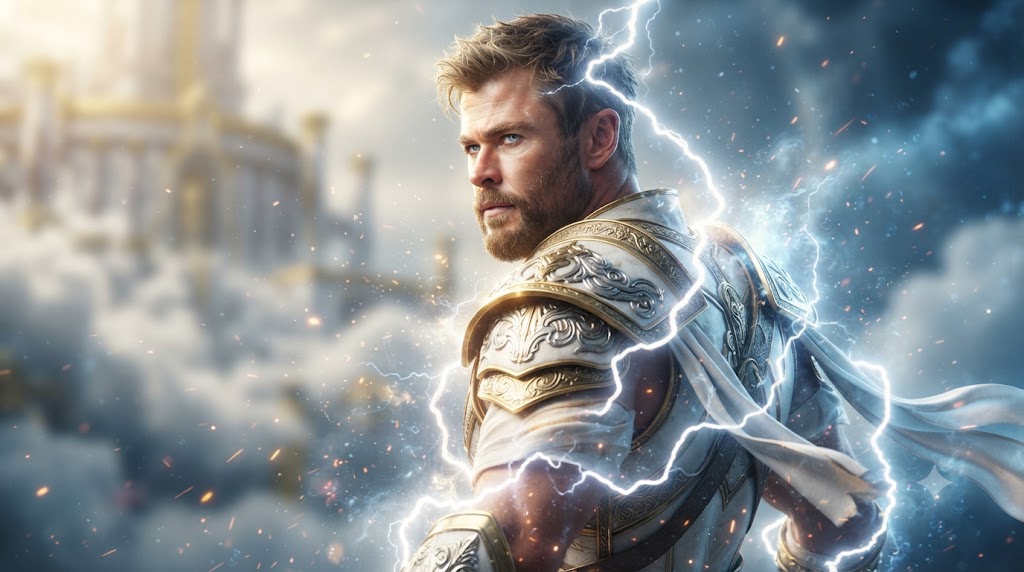
Image Generation
Celestial Thunder God Portrait Epic Norse Warrior Prompt
Gemini
3

Image Generation
Young Woman In Football Jersey At Stadium
Midjourney
0
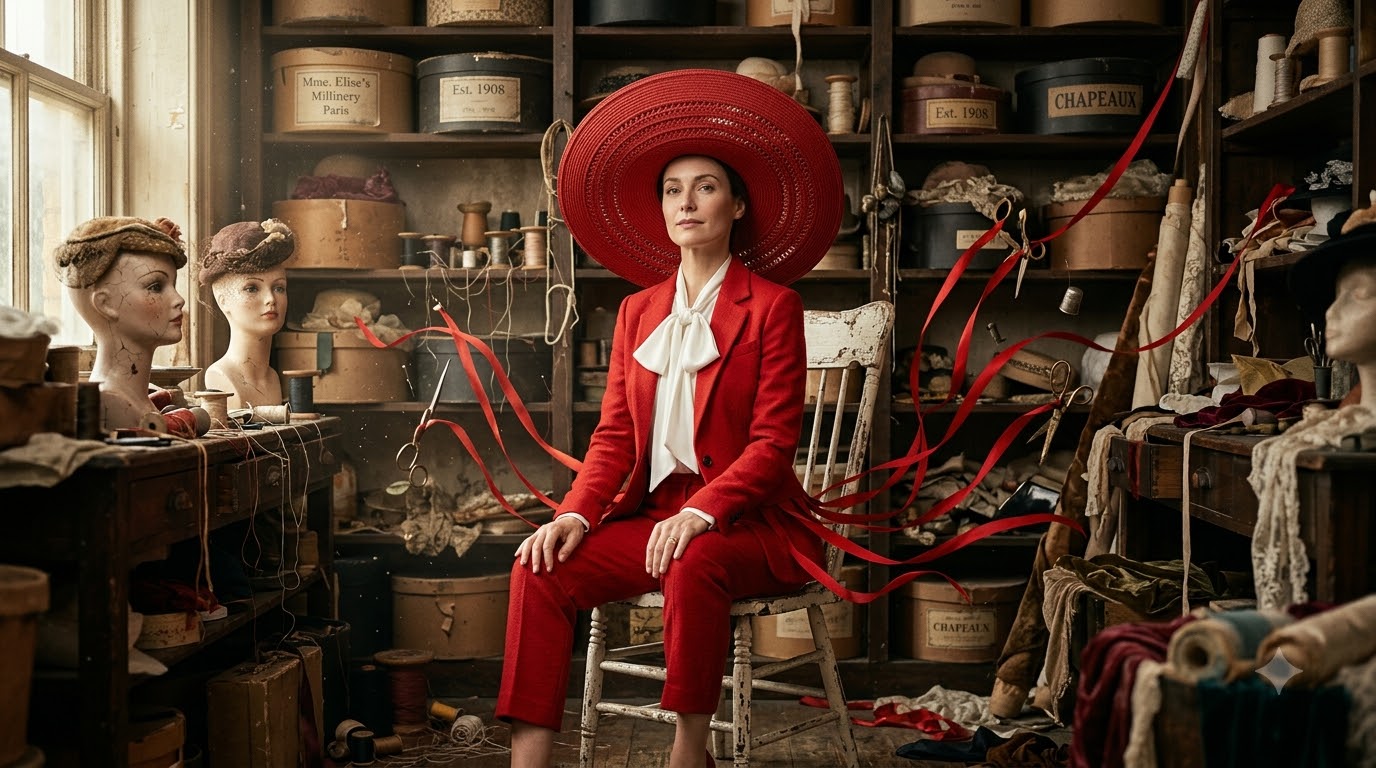
Image Generation
Zendaya Crimson Archive Surreal High-fashion Editorial Prompt
Gemini
0